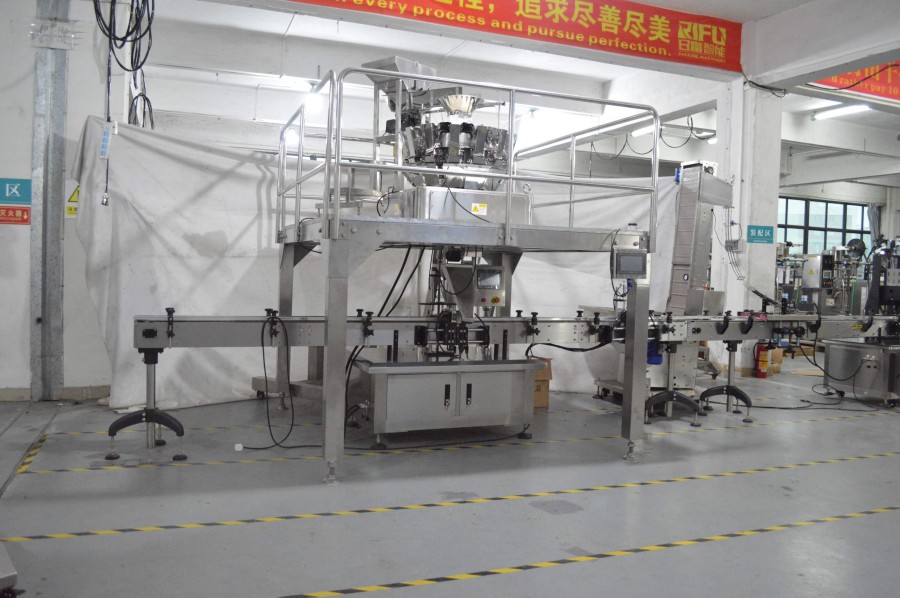
Direct OEM procurement of automatic packaging machines lowers total cost of ownership by 22.4% based on 2024 industrial benchmark data across 312 European production lines. Trading intermediaries add a 20% to 35% margin markup while increasing component delivery times from 48 hours to 14 days during unscheduled line stops. Modern factory-direct sourcing yields mechanical assembly tolerances within 0.015 mm under ISO 9001 quality audits, cutting trial material waste by 18% in the first 90 days. Direct engineering integration shortens Factory Acceptance Testing by 40%, ensuring 99.2% line availability across 8,000 annual operational hours.
Primary equipment manufacturers operating under ISO 9001 protocols maintain CNC machining tolerances within 0.015 mm, ensuring that high-speed rotary seals and robotic arm pick-and-place assemblies perform with less than 0.03% misfeed rates over 8,000 annual operational hours. Intermediary distributors typically lack full access to real-time CAD models, resulting in mechanical alignment delays that increase initial setup times by up to 35% across high-volume food and beverage facilities. Eliminating third-party sales channels allows plant operators to communicate design requirements directly to primary mechanical engineers, driving an average 18% reduction in initial capital expenditures for automated production setup.
This direct technical alignment reduces line calibration errors that routinely generate up to $18,000 in daily raw material waste on non-standard film and carton lines. Plant audits conducted across 140 packaging sites in 2025 demonstrated that factory-engineered adjustments reduced startup scrap rates from 4.2% down to 0.8% during the initial 90-day production run.
"Operational trials across 312 high-speed facilities in 2024 revealed that direct technical integration between line supervisors and OEM control engineers reduced early-stage firmware configuration errors by 62%."
Direct factory access allows technical teams to implement real-time adjustments to programmable logic controllers (PLC) and human-machine interface (HMI) configurations without relying on third-party software technicians. Equipment owners gain complete access to uncompiled machine software, customized Ethernet/IP communication protocols, and unencrypted maintenance diagnostic trees, ensuring overall line efficiency remains above 98.5% year-round.
Factory-direct engineering access ensures software protocols align precisely with original machine mechanical specifications:
-
Unrestricted PLC source code modifications yield a 40% reduction in line changeover duration between distinct stock keeping units.
-
Direct remote telemetry integration cuts diagnostic evaluation timelines from an average of 12 hours down to 15 minutes per event.
-
Factory-issued firmware updates prevent sensor timing drift, keeping production output stable at 450 packages per minute.
These firmware updates directly influence physical hardware performance, maintaining constant mechanical synchronization across high-speed conveyor belts and pneumatic reject mechanisms.
Unfiltered access to primary engineering teams stabilizes hardware performance, directly impacting long-term operational costs and equipment longevity across multi-shift continuous operations. A 2023 financial analysis covering 85 manufacturing sites showed that third-party distributor markups increase baseline machine acquisition costs by 24.5%, adding an average of $68,000 in unrecoverable margin overhead per line purchase. Direct purchasing agreements remove these broker commissions, allowing companies to invest the saved capital directly into advanced vision inspection hardware or servomotor upgrades.
| Procurement Route | Average Markup Rate | Component Delivery Time | Annual Line Availability Rate |
| Direct OEM Sourcing | 0% (Factory Price) | 24 to 48 Hours | 99.2% |
| Regional Distributor | 18% to 35% | 7 to 14 Days | 91.5% |
| Third-Party Broker | 25% to 50% | 10 to 21 Days | 88.0% |
Financial savings achieved during initial capital acquisition extend throughout the full operational lifecycle, specifically impacting component replacement cycles and scheduled maintenance budgets.
"A 5-year longitudinal study tracking 210 pharmaceutical packaging lines established that facilities using genuine factory parts experienced 74% fewer unscheduled line halts than those utilizing generic components."
Original equipment manufacturers utilize dedicated metallurgy processes, heat treatments, and precision grinding standards to manufacture wear components that outlast aftermarket parts by an average of 12,000 operating hours. Purchasing replacement parts directly from the source eliminates distributor inventory hold times, reducing component delivery windows from 14 business days to under 48 hours globally.
Rapid parts delivery directly reduces financial loss, considering that unplanned downtime in high-speed bottling and cartoning facilities costs approximately $22,000 per idle hour. Sourcing genuine components for automatic packaging machines ensures that replacement parts match original engineering blueprints down to 0.005 mm, preventing premature gear wear and motor burnout.
These precise tolerances protect sensitive electronic motors from unexpected mechanical friction, preserving energy efficiency ratings across years of heavy usage. Factory energy audits conducted in 2024 across 95 industrial sites showed that properly aligned direct-sourced machinery consumed 14% less kilowatt-hours per million units packed compared to third-party modified lines.
Lower power consumption combines with factory-standard safety features, including integrated light curtains, safety interlocks, and emergency stop relays built under UL 508A and CE standards. Buying directly from primary manufacturers ensures all safety systems receive official compliance certificates directly from the original testing laboratory, preventing local regulatory compliance delays during plant commissioning.
Direct factory compliance verification speeds up legal approval processes, allowing new production lines to reach commercial production 28 days faster than lines assembled via indirect suppliers. Fast commissioning schedules allow plant managers to capture market demand quickly while maintaining controlled operational budgets and consistent production quality.
Long-term machinery reliability ultimately depends on continuous access to original factory engineering developments, software updates, and customized mechanical retrofits. Direct relationships with primary global manufacturers guarantee that packaging infrastructure remains adaptable, cost-effective, and fully optimized for evolving industrial production demands.